AI Memory Changes Everything: Why ChatGPT, Claude and Gemini No Longer Want to Be Just Chatbots
AI tools are no longer just answering prompts. They are starting to remember, plan, act and automate real tasks. Here is why memory and AI agents may become the defining shift of 2026.
30-second takeaway
Neuriflux summary: AI Memory Changes Everything: Why ChatGPT, Claude and Gemini No Longer Want to Be Just Chatbots — the real difference comes from strategy, structure, and human editing: the tool alone is not enough to create content that ranks.
- Content type: AI Agents · analysis.
- What you get: a fast read on use cases, limits, alternatives, and decision points.
- Quick verdict: Worth watching, but with caution: in AI, a big announcement should always be confirmed by real-world use.
- Editorial score: 8.8/10, adjusted to the topic instead of copied across articles.
The classic chatbot is starting to disappear
For years, consumer AI followed a very simple pattern: you asked a question, the AI answered. Then you asked another one, and it answered again. That interaction made ChatGPT, Claude, Gemini and Perplexity incredibly useful, but it also exposed a frustrating limit. Every new conversation often required the same setup: explain the project again, repeat your preferences, restate the constraints and correct the same details.
In 2026, the center of gravity is shifting. AI systems no longer want to simply answer. They want to remember, organize, anticipate and act. The real race is no longer only about who has the smartest language model. It is about who can build the most useful personal assistant: one that understands your environment, your files, your emails, your projects, your habits and your goals.
That is a much deeper change than a faster model or a better benchmark score. A better model improves the quality of an answer. An AI assistant with memory and agency changes the way work happens. It can reopen yesterday’s project, retrieve context from a previous discussion, adapt to your writing style, suggest the next step or automate a repetitive workflow. At that point, AI stops looking like a tool you occasionally query and starts becoming a persistent software layer.
Memory is becoming the new battleground
Memory is often described as a convenience feature. In reality, it may be one of the most important building blocks of the next AI generation. An AI without memory remains a powerful answer engine. An AI with memory becomes an assistant that accumulates context and becomes more relevant over time.
OpenAI is clearly moving in that direction. Recent ChatGPT updates put more emphasis on saved memories, past conversations, connected files and, where available, integrations such as Gmail. The goal is straightforward: users should not have to restart from zero every time they ask for help. If ChatGPT already knows your project, your preferred tone, your recurring constraints and the tools you use, it can respond with far less friction.
But memory also raises a difficult question: how much should an AI remember? Too little memory limits usefulness. Too much memory can feel intrusive. The winning products will likely be the ones that give users both personalization and control. People will want AI that understands their context, but they will also want to see, edit, delete and disable what that AI knows.
Useful memory is not just long memory. It is readable, controllable and relevant memory. An AI that remembers everything without hierarchy becomes noisy. An AI that retrieves the right context at the right time becomes extremely valuable.
AI agents turn answers into actions
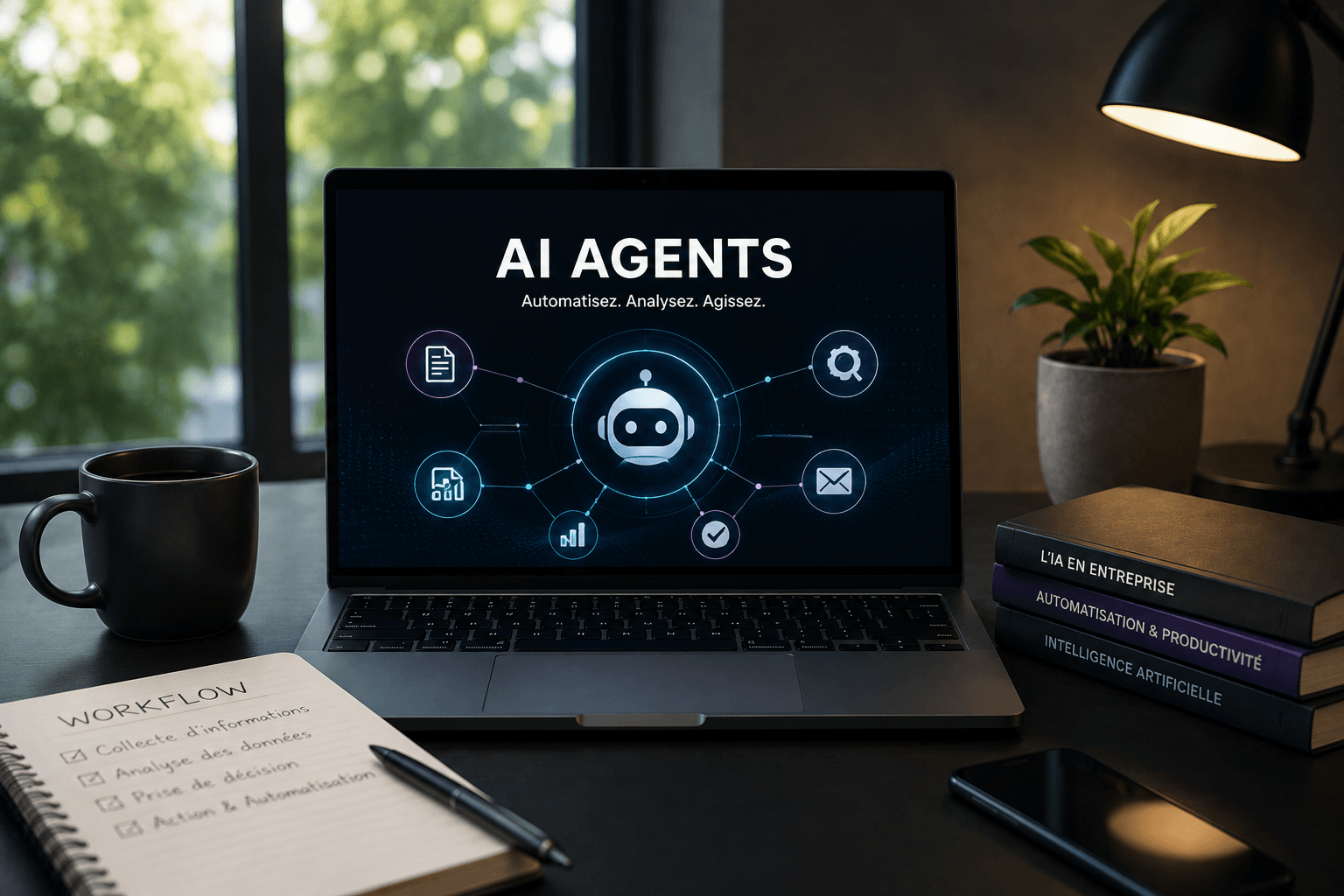
The second major shift is the move from chatbot to agent. A chatbot explains how to do something. An agent starts doing part of it for you.
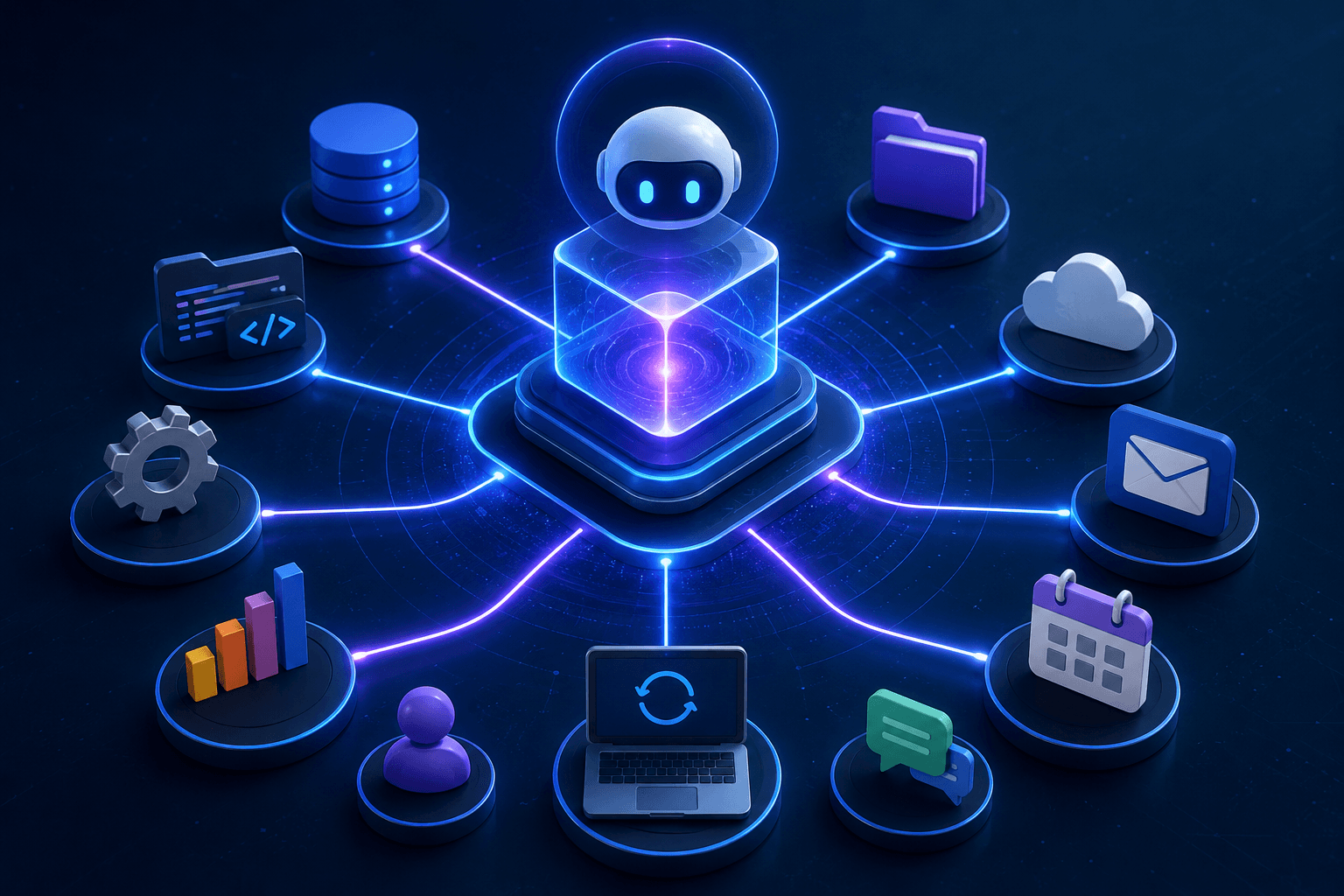
That difference is enormous. Asking AI to help you plan a trip is still a classic interaction. Asking it to compare options, check availability, prepare an itinerary, draft the necessary messages and ask for confirmation before booking is a different product category. The AI is no longer just a text engine. It becomes an operator that can use tools.
Google’s Gemini Agent is a good example of this direction. The goal is not only to make conversation more natural, but to let the assistant handle multi-step tasks: managing inboxes, planning projects, researching online, working across Google apps and keeping the user involved for important decisions. That last part matters. Autonomy does not mean losing control. The best agents will not be the ones that act blindly. They will be the ones that know when to act and when to ask.
Anthropic is moving quickly in the same direction. Claude is already used in environments where it can interact with computers, navigate interfaces and participate in complex workflows. Anthropic’s work around managed agents and long-running Claude setups points to a clear trend: AI systems are becoming capable of working on tasks that cannot be solved in a single response. They can follow an objective, break work into steps, use tools, check results and continue over time.
That is where the word “agent” starts to mean something real. It is not just a marketing label. It is an AI system that keeps a goal in mind and uses available tools to reach it.
Google, OpenAI and Anthropic are no longer playing the same exact game
What makes 2026 especially interesting is that the major AI companies are not approaching this shift in identical ways.
OpenAI appears to be turning ChatGPT into a central work environment. Memory, projects, connectors, agents and built-in tools all point in the same direction: ChatGPT should become a place where users think, write, analyze and execute. The ambition is clear. ChatGPT does not want to remain a box you open for isolated prompts. It wants to become an interface between you and your digital work.
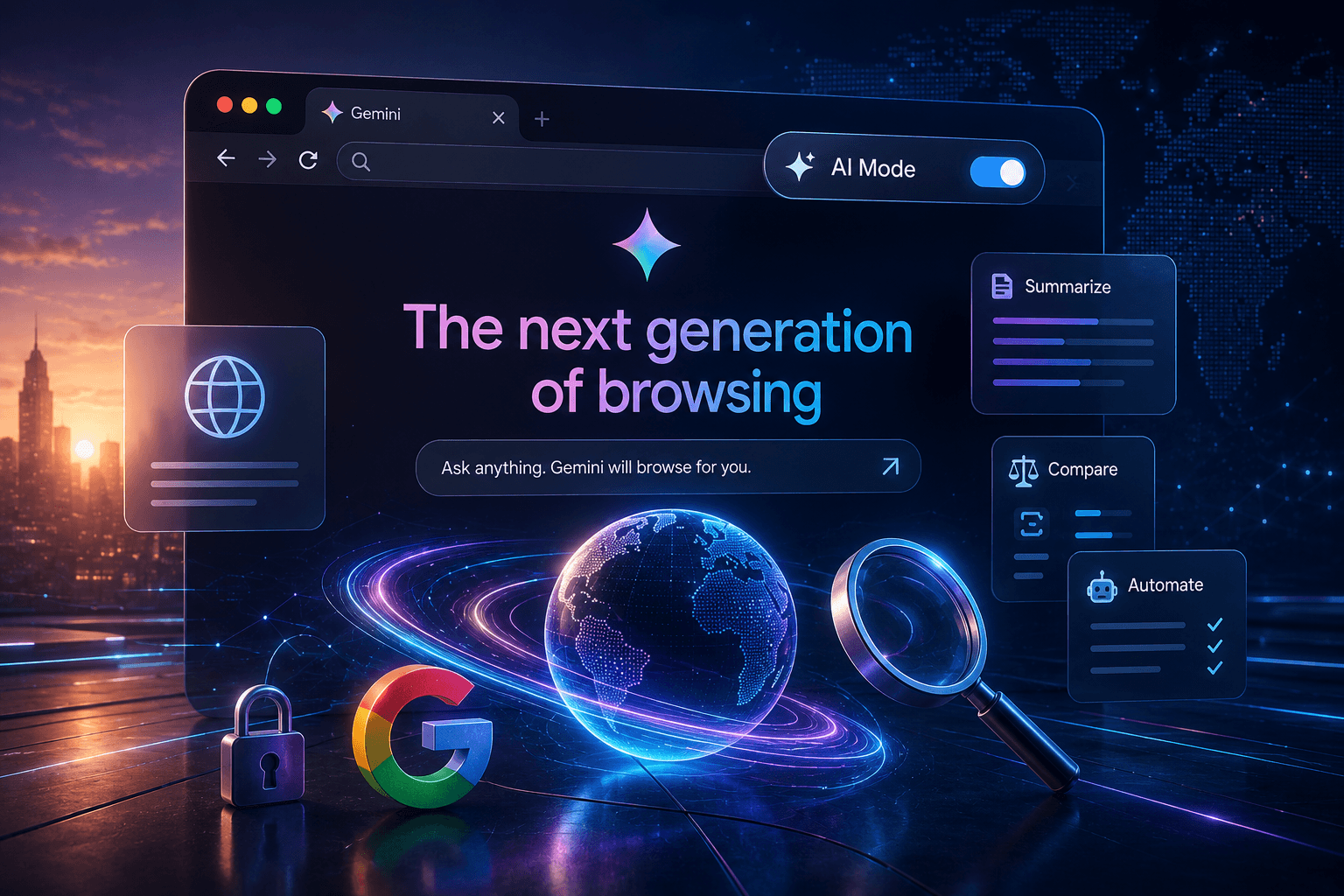
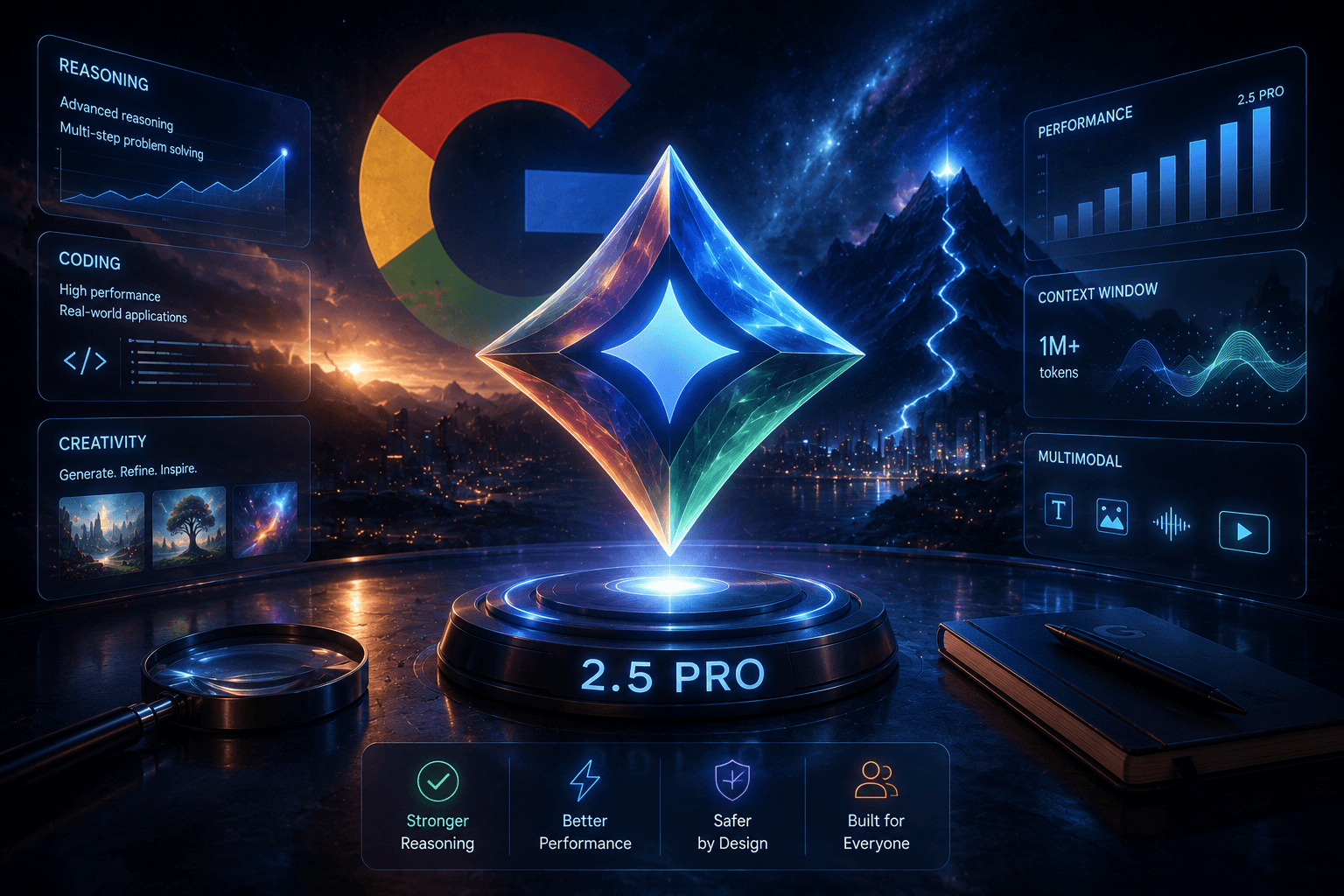
Google has a different advantage: ecosystem. Gmail, Calendar, Drive, Docs, Chrome, Android, Search and Workspace create a massive surface area for an AI assistant. If Gemini can act smoothly inside those environments, Google could integrate AI directly into the daily habits of millions of people. The potential is huge, but so is the trust challenge. When AI touches email, files, browsers and calendars, reliability and privacy become as important as intelligence.
Anthropic is building strong momentum among professional and technical users. Claude is already widely appreciated for long-form writing, analysis, coding and complex projects. With Claude Code, computer-use capabilities and agent-oriented infrastructure, Anthropic is targeting users who want to delegate real intellectual or technical work, not just generate quick answers.
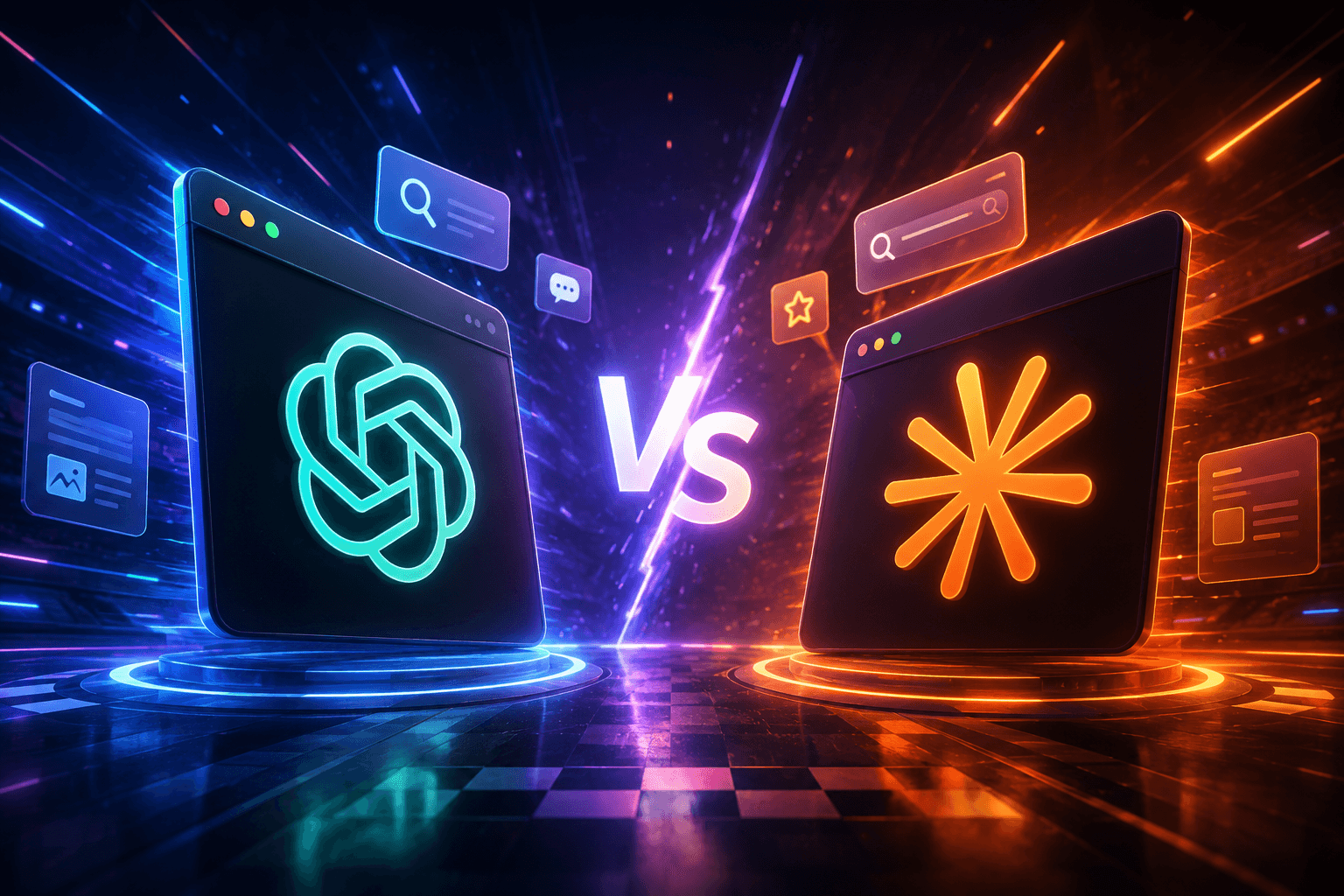
So the race is no longer simply “ChatGPT vs Claude vs Gemini.” It is becoming “who controls the intelligent interface between you and your work?”
Why this shift can keep users engaged for much longer
A simple chatbot is easy to leave. You ask a question, get an answer and close the tab. A memory-based assistant is much stickier. It knows your context, preferences, documents, workflows and habits. The more you use it, the more useful it becomes. And the more useful it becomes, the harder it is to replace.
That is exactly why memory and agents can create massive retention. Users will not stay only because a model is slightly better. They will stay because their work environment gradually forms around the assistant. Switching tools would mean losing part of the history, routines, automations and personalization they built over time.
This is why features like projects, saved memories, recurring agents, email integrations and cloud connectors matter so much. They create accumulation. The AI becomes less interchangeable.
For creators, freelancers, developers, marketers and founders, that matters. An assistant that already understands your positioning, offers, editorial voice, customer profile and production constraints can save far more time than a blank model, even if that blank model is technically powerful.
The risk: the more personal AI becomes, the more sensitive it gets
The more useful an AI assistant becomes, the more sensitive information it needs. That is the central paradox of personal AI.
To organize your day, it needs calendar context. To summarize priorities, it may need email access. To help with projects, it needs documents. To personalize responses, it needs to remember preferences. Every convenience gain comes with a trust question.
Trust will not be earned through marketing promises alone. It will be earned through product design. Can users clearly see what the AI knows? Can they delete a memory? Can they turn memory off? Can they prevent the agent from taking action without confirmation? Can they understand why a response was personalized?
The best AI products will likely make personalization visible. An assistant that says “I used your preference for a direct tone and your current project context to answer this” is more trustworthy than one that silently personalizes without explanation.
Memory must be designed as user power, not as a black box.
What this changes for real users
For most users, the impact will arrive gradually. At first, it will feel like small improvements: less repetition, more relevant answers, better suggestions and fewer generic outputs. Then the use cases will deepen. AI will be able to follow a project over time, remember a previous decision, suggest a logical next step or detect inconsistencies between documents.
For professionals, the shift may happen much faster. A consultant could ask an assistant to draft a client summary in their usual style. A developer could let an agent inspect a codebase for several hours. A marketer could create a workflow that tracks competitors, summarizes changes and proposes content angles. A founder could turn AI into a decision-support copilot, as long as the system has enough reliable context.
The important point is that the value no longer comes only from the prompt. It comes from the full system: memory, files, preferences, tools, agents, history and human confirmation.
Prompting does not disappear. It becomes one part of a broader workflow.
Read next
These articles are the best follow-up to what you are reading.
The danger of poorly designed agents
This evolution will also create plenty of bad products. Many tools will add the word “agent” everywhere without delivering meaningful autonomy. An agent that executes poorly, clicks the wrong button, misunderstands a task or acts without confirmation can be more dangerous than a limited chatbot.
The real test of an agent is not a polished demo. It is reliability on boring, long and repetitive tasks. Can it handle exceptions? Can it ask for help at the right moment? Can it explain what it did? Can it reverse course? Can it avoid acting when it is unsure?
A good agent is not just autonomous. It is cautious, observable and reversible. The user must be able to understand the path it followed, interrupt the action, correct direction and take back control.
That is probably where the line will be drawn between agent gimmicks and real work assistants.
Why 2026 may be the turning point
The ingredients are now in place. Models are capable enough to understand complex instructions. Interfaces are starting to support memory. Connectors provide access to work data. Agents can use browsers, files, tools and sometimes entire computing environments. Businesses are looking for concrete productivity gains, not just impressive demos.
The market is ready for a new phase. The first wave of generative AI was about answers. The second is about action. The third will likely be about continuity: AI that does not start from zero, understands your context and works with you over time.
That does not mean everything will be perfect in 2026. The limits are still real: errors, hallucinations, cost, privacy, security, dependency and tool compatibility. But the direction is obvious. The most important AI products will not necessarily be the ones that answer isolated questions best. They will be the ones that integrate most deeply into your digital life.
ChatGPT, Claude, Gemini: who is best positioned?
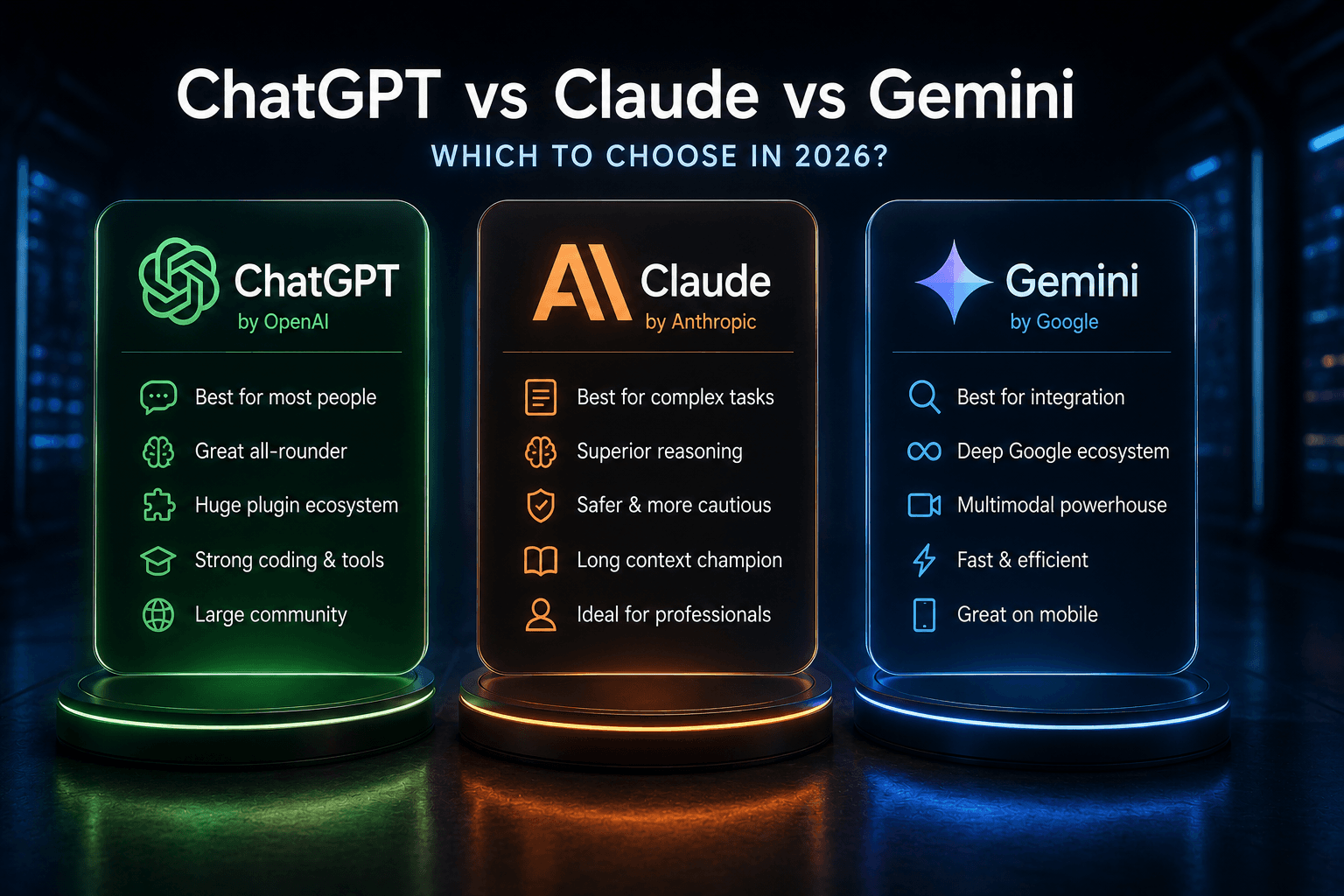
ChatGPT has the advantage of mass adoption and a rapidly expanding ecosystem. Its strength is that it has already become a default habit for millions of users. If memory, projects and agents become smooth enough, ChatGPT can become a true personal dashboard.
Claude has a strong reputation among advanced users. Its ability to handle long documents, code, structured reasoning and complex projects makes it a strong candidate for deep professional workflows. Claude may be especially well positioned as a serious work assistant rather than just a general-purpose chatbot.
Gemini has Google’s strategic advantage. If integration with Gmail, Calendar, Drive, Docs, Chrome and Android becomes genuinely seamless, Gemini could become the most present assistant in everyday digital life. Its challenge will be convincing users that this level of integration remains controllable and privacy-conscious.
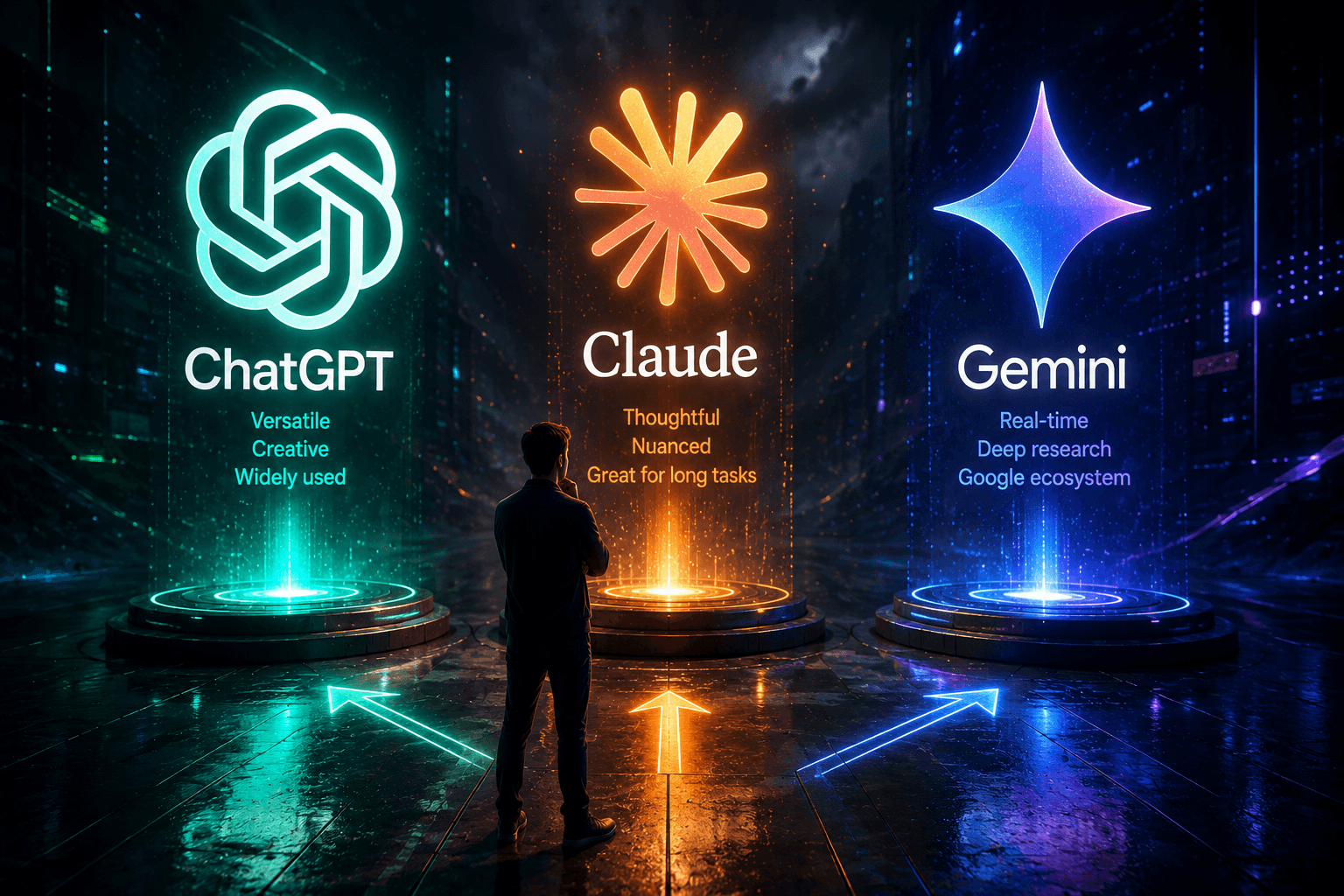
There may not be a single winner. There may be dominant assistants by use case. ChatGPT for general and creative work, Claude for long-form and technical production, Gemini for Google-based daily workflows. The real question may shift from “which model is smartest?” to “which assistant understands my context and acts most usefully for me?”
What you should do now
The right time to understand this shift is now, before agents become invisible infrastructure.
Start by organizing your context. Create clean projects, save your best prompts, document your preferences, structure important files and test memory features carefully. Do not give everything to AI at once. Give it useful context, observe what it does, correct what is wrong and delete what does not need to be remembered.
Then test agents on low-risk tasks. Summarizing documents, preparing outlines, comparing sources, organizing lists, drafting content or monitoring a topic are good starting points. Avoid sensitive actions such as purchases, important messages or financial decisions without human confirmation.
Finally, compare tools based on your actual workflow. The best AI assistant is not the one that looks most impressive in a demo. It is the one that saves you time every week without creating additional stress.
The future of AI is not a perfect answer
For the last few years, we judged AI mainly by the quality of its responses. That made sense. But that standard is becoming too narrow.
The future of AI will not be defined only by the best-written paragraph, the cleanest code or the fastest summary. It will be defined by an assistant’s ability to understand your world, remember what matters, act carefully and support you over time.
Memory turns AI into a continuous relationship. Agents turn AI into an execution layer. Together, they move artificial intelligence from occasional tool to personal infrastructure.
That is why 2026 may become a real turning point. Chatbots will not disappear. But the best ones will become something more ambitious: personal assistants that remember, reason and act.
FAQ
What is AI memory?
AI memory allows an assistant to use information from your preferences, previous conversations or connected data to personalize future responses. The goal is to reduce repetition and make answers more relevant. The quality of memory depends heavily on user control: good memory should be visible, editable, removable and optional.
What is the difference between a chatbot and an AI agent?
A chatbot mainly responds to a request. An AI agent can follow an objective, use tools, navigate interfaces, handle multiple steps and sometimes prepare or execute actions with human confirmation. The key difference is the move from answering to acting.
Are AI agents reliable in 2026?
They are becoming much more useful, but they are not flawless. They can misunderstand instructions, make mistakes inside interfaces or lack judgment on sensitive tasks. It is best to start with low-risk workflows and keep human confirmation for important actions.
Which assistant should I choose: ChatGPT, Claude or Gemini?
It depends on your workflow. ChatGPT remains highly versatile, Claude is excellent for long-form work, coding and complex reasoning, while Gemini may become especially powerful for people already using Google’s ecosystem. The best option is the one that fits your daily tools and your real need for memory or automation.
Is AI memory a privacy risk?
It can be if it is opaque or poorly controlled. The more an AI remembers, the more important it becomes to have clear settings for viewing, editing and deleting that context. Memory is only useful when the user remains in control.
Neuriflux verdict
Our take: AI Memory Changes Everything: Why ChatGPT, Claude and Gemini No Longer Want to Be Just Chatbots matters because the real difference comes from strategy, structure, and human editing: the tool alone is not enough to create content that ranks.
Detailed Neuriflux score
- Practical value : 8.8/10 — useful for deciding, comparing, or understanding quickly.
- Clarity : 8/10 — accessible without losing important nuance.
- 2026 potential : 8/10 — likely to affect real AI workflows.
- Hype risk : Low to medium — should be validated with concrete tests before adoption.
Who is it actually useful for?
- writers who want to speed up production
- SEO sites structuring lots of content
- marketing teams with human review
Avoid it if...
- you publish without editing
- you expect expert content without original data
- you want to replace editorial strategy entirely
Why this score?
We do not rate only popularity or marketing promises. The score reflects practical value, maturity, real limitations, potential cost, and long-term relevance for a Neuriflux reader.
> Neuriflux signature — The goal is to separate what is genuinely useful from what is merely well presented. Worth watching, but with caution: in AI, a big announcement should always be confirmed by real-world use.
Method and reliability
This article is designed as a living resource. Prices, features, and market positions can change quickly in AI; when a detail depends directly on a vendor, plan, or recent announcement, always check the official page before making a final decision.
Last editorial check: May 14, 2026.
 97% match97% match
 85% match
 88% match
 94% match
 93% match
 84% match
 85% match
 95% match
 97% match
 91% match
 88% match
 85% match
 94% match
 89% match